Japan offers travelers countless opportunities to experience the country beyond its major landmarks, and local markets are among the most rewarding places to start. These markets provide far more than shopping opportunities they offer a closer look at regional food culture, seasonal ingredients, local craftsmanship, and the rhythms of everyday life. Whether located in major cities or smaller regional destinations, markets often reveal the character of a place more vividly than its most famous attractions.
For many visitors, local markets become one of the most memorable parts of a trip because they combine culture, food, and atmosphere in a way that feels immediate and authentic. Travelers can browse fresh produce, discover seafood specialties, sample regional snacks, observe local routines, and find products that reflect the traditions and tastes of a particular area. These experiences help turn sightseeing into something more immersive and personal.
Another reason markets are worth adding to a Japan itinerary is their variety. Some are famous for fresh seafood and early-morning auctions, while others focus on traditional ingredients, local crafts, street food, or seasonal products. Urban markets may reflect the fast-paced energy of the city, while regional markets often reveal a more local and community-oriented side of Japan. Together, they show how food and commerce continue to shape everyday life across the country.
Whether visiting Tokyo, Kyoto, Osaka, Hokkaido, or lesser-known destinations, exploring local markets can add depth to a trip while introducing travelers to another side of Japan. These spaces offer a chance to eat well, shop thoughtfully, and connect with local culture in a way that feels natural, relaxed, and memorable.
Why Local Markets Are Worth Visiting in Japan
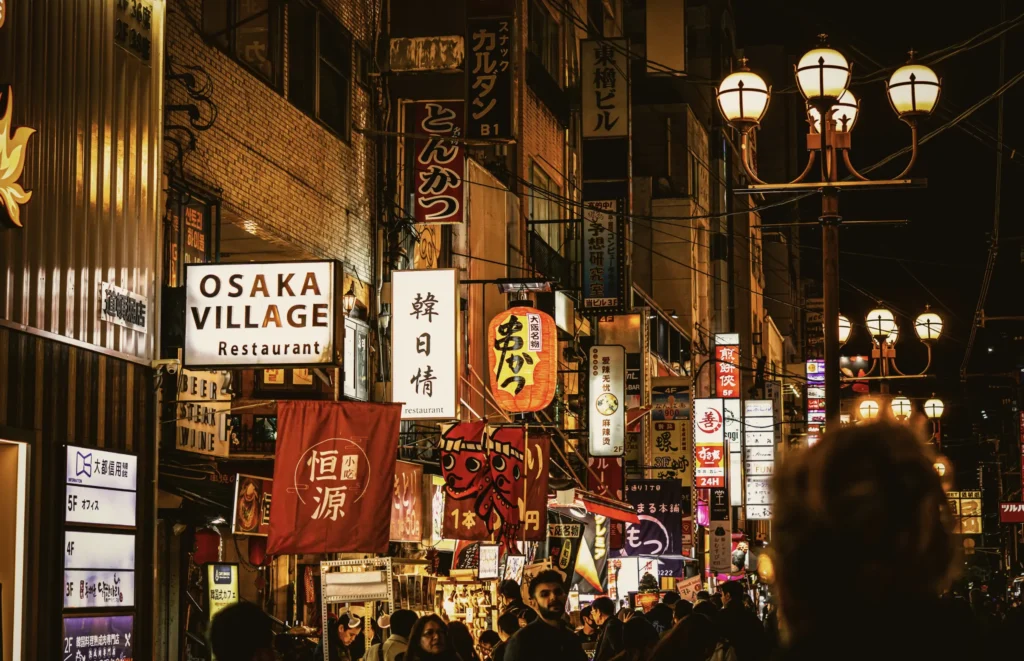
One of the biggest advantages of visiting local markets in Japan is the way they combine multiple travel experiences in one place. A single market visit can introduce travelers to regional cuisine, seasonal ingredients, local craftsmanship, and the social atmosphere of a destination. Unlike museums or formal attractions, markets feel active and immediate, allowing visitors to observe everyday life while engaging directly with the products, flavors, and traditions of the region.
Markets are also ideal for travelers who want to go beyond conventional sightseeing. Rather than simply visiting landmarks, they can spend time discovering what local residents eat, buy, and value in their daily routines. This creates a more grounded and personal travel experience, especially for visitors interested in food, culture, and regional identity.
Another reason markets stand out is their connection to seasonality. Many Japanese markets reflect the ingredients and products that are most relevant at a particular time of year, from seafood and produce to festival foods and handcrafted goods. This means the experience can feel different depending on when and where a traveler visits, making markets a flexible and rewarding addition to itineraries throughout the year.
For travelers planning time in northern Japan, market visits can also pair naturally with a comfortable city stay. Exploring seafood markets, local food halls, and regional shopping areas during the day while returning to one of the best 5 star hotels in sapporo offers a balanced way to enjoy both local culture and premium hospitality during a Hokkaido trip.
Types of Local Markets You Can Explore in Japan
Not all Japanese markets offer the same experience, which is part of what makes them so appealing. Some specialize in fresh seafood and produce, while others focus on prepared food, local sweets, handmade products, or traditional ingredients used in regional cooking. Understanding the different types of markets can help travelers choose which ones to prioritize based on their interests.
Seafood markets are especially popular in coastal cities and regions known for fresh fish, shellfish, and seasonal specialties. These markets often provide opportunities to sample sashimi, grilled seafood, and local delicacies while observing the importance of seafood within Japanese food culture. Morning markets, on the other hand, tend to highlight local produce, snacks, and daily shopping traditions, creating a more relaxed and community-focused atmosphere.
Traditional markets in historic cities may emphasize local ingredients, pickled foods, tea, sweets, and handcrafted goods tied to regional identity. In larger urban centers, some markets evolve into lively destinations where food stalls, specialty shops, and casual dining blend together, making them ideal for travelers who want both sightseeing and culinary exploration in the same place.
Because of this variety, local markets can suit almost any style of travel. Food-focused visitors may prioritize seafood and street food, while culture-oriented travelers may be more interested in traditional products and local shopping habits. The key is recognizing that each market reveals something different about the destination in which it operates.
Best Markets in Tokyo
Tokyo’s markets reflect the city’s scale, diversity, and strong relationship with food culture. From famous seafood destinations to neighborhood markets and specialty food areas, the city offers countless places where travelers can explore fresh ingredients, prepared foods, and regional products from across Japan. These markets often blend tradition with the energy of a modern metropolis, making them a compelling part of any Tokyo itinerary.
Read Also: Best Markets in Tokyo
Best Markets in Kyoto
Kyoto’s markets offer a more traditional atmosphere, often centered around local ingredients, sweets, tea, and products tied to the city’s culinary heritage. Exploring these markets can give travelers a better understanding of Kyoto’s food culture and the role that craftsmanship and seasonal ingredients continue to play in daily life.
Read Also: Best Markets in Kyoto
Best Markets in Osaka
Osaka is widely known for its food culture, and its markets reflect that reputation. Travelers can expect lively spaces filled with fresh ingredients, prepared snacks, seafood, and regional specialties that highlight the city’s reputation as one of Japan’s great culinary destinations. Visiting a market in Osaka is often as much about tasting local flavors as it is about shopping.
Read Also: Best Markets in Osaka
Local Markets in Hokkaido
Hokkaido’s markets offer a distinct regional experience shaped by the island’s climate, agricultural output, and strong seafood culture. Travelers can discover fresh crab, scallops, uni, dairy products, seasonal produce, and specialty snacks that reflect the region’s identity. Market visits in Hokkaido often feel especially rewarding for visitors who want to connect local food culture with the landscapes and communities that produce it.
Read Also: Local Markets in Hokkaido
Traditional Markets in Japan
Traditional markets remain some of the best places to experience how local commerce, seasonal ingredients, and regional customs continue to shape everyday life in Japan. These markets often feel less commercial than large tourist attractions, giving travelers a more grounded way to explore food, culture, and shopping habits that have developed over generations.
Read Also: Traditional Markets in Japan
How to Make the Most of a Market Visit in Japan
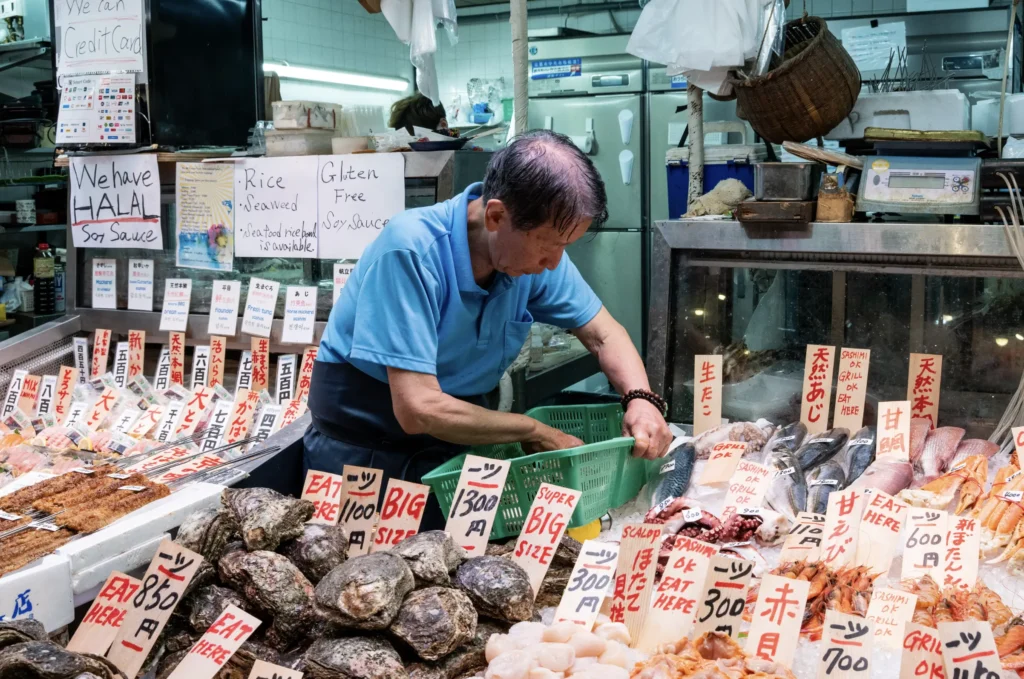
Exploring local markets can be one of the easiest ways to add depth to a Japan itinerary, but a little planning can make the experience even more rewarding. Some markets are busiest in the early morning, especially those focused on seafood or fresh produce, while others are better visited later in the day when food stalls and specialty shops are fully active. Checking the market’s atmosphere and timing in advance can help travelers decide how to fit it into their schedule.
It is also worth approaching a market visit with curiosity rather than a strict shopping list. Sampling local snacks, looking for regional specialties, or simply observing how residents shop can reveal more about a destination than rushing through a checklist of attractions. Markets often work best when travelers leave room for small discoveries, whether that means finding a food stall, a local ingredient, or a handmade product that reflects the area’s identity.
Travelers interested in food should also think of markets as places to learn rather than just places to eat. Asking about seasonal ingredients, paying attention to local specialties, and noticing what products are most prominent can provide insight into regional cuisine and traditions. Even a short visit can become one of the most memorable parts of a trip when approached as a cultural experience rather than a quick stop.
By mixing market visits with sightseeing, neighborhood walks, and local dining, travelers can create a more balanced itinerary that captures both the famous and everyday sides of Japan.
Why Local Markets Add More Meaning to a Trip
One of the reasons local markets leave such a strong impression on travelers is that they reveal the everyday side of Japan in a way that formal attractions often cannot. Markets bring together food, commerce, seasonal products, and community life, allowing visitors to observe how local culture is expressed through ordinary routines. This makes even a short market visit feel more personal and memorable than simply checking off a landmark.
Markets also create opportunities for travelers to connect with a destination through taste, conversation, and atmosphere. Sampling regional specialties, browsing traditional ingredients, and seeing how products are displayed and sold can provide a richer understanding of local identity. In many cases, the most memorable part of a market visit is not a single purchase, but the atmosphere itself and the insight it offers into daily life.
Another reason markets are so rewarding is their diversity. A seafood market in Hokkaido, a traditional food market in Kyoto, and a busy urban market in Tokyo all offer very different experiences, yet each contributes to a deeper understanding of the region. This variety makes local markets an easy way to enrich an itinerary without requiring major changes to travel plans.
For travelers who want to experience Japan beyond major tourist attractions, markets provide an ideal balance of food, culture, and local atmosphere. They turn a simple stop into a chance to engage with the rhythms of a place, making the trip feel more grounded, authentic, and rewarding.
Conclusion
Japan local markets offer far more than a place to shop. They give travelers access to regional cuisine, seasonal ingredients, traditional products, and the everyday routines that shape life across the country. From the energy of Tokyo and Osaka to the culinary heritage of Kyoto and the seafood culture of Hokkaido, markets can reveal another side of Japan that many visitors might otherwise miss.
Whether the goal is tasting local food, learning more about regional traditions, or simply experiencing a destination beyond its most famous attractions, local markets deserve a place in almost any itinerary. They provide a more immediate and human perspective on travel—one built around atmosphere, community, and discovery.
By making time for markets alongside cultural landmarks and major sightseeing spots, travelers can create a journey that feels both more flavorful and more meaningful. These experiences may seem simple, but they often become the moments that bring a destination to life long after the trip has ended.